
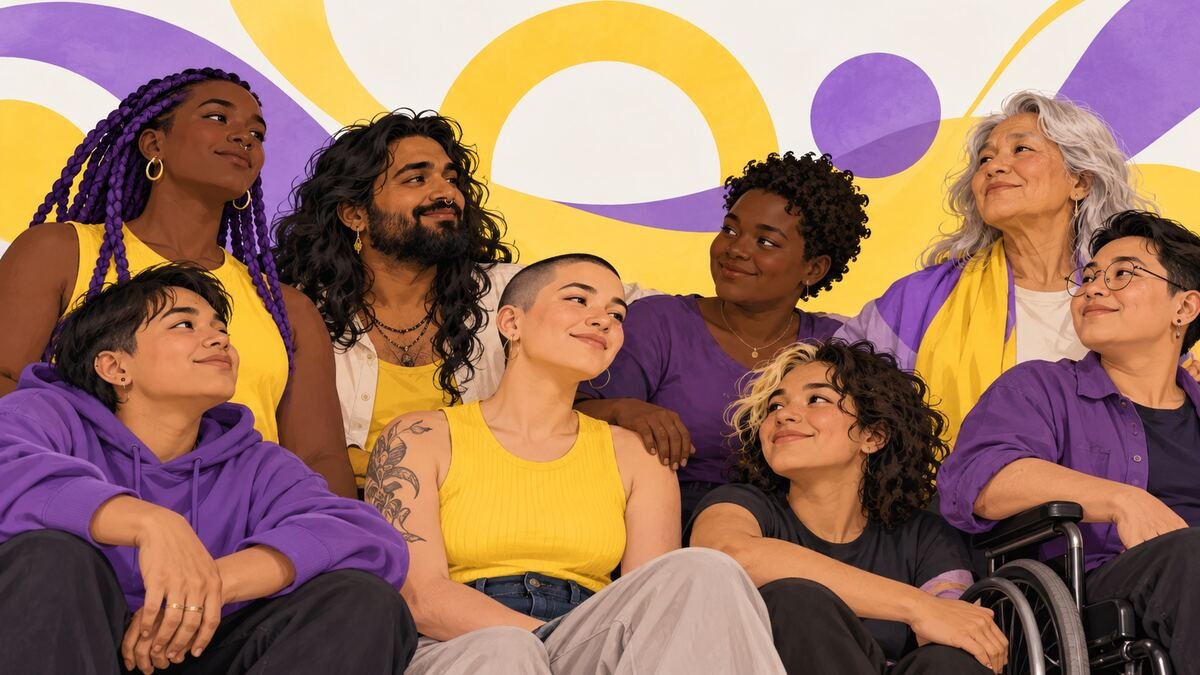
Intersex Awareness Day, observed on October 26 and listed for that date in Talluqat’s 2026 countdown, is an opportunity to learn from intersex people and support dignity, accurate information, and equal participation. Awareness is most meaningful when it respects both visibility and a person’s right to privacy: nobody should have to share personal medical details to be treated with respect.
What “intersex” means
The term intersex is an umbrella term for people born with natural variations in sex characteristics, which may involve anatomy, chromosomes, or hormones and may become known at different points in life. Intersex traits relate to sex characteristics; they are not the same thing as a person’s gender identity or sexual orientation. The United Nations’ Free & Equal fact sheet provides a clear overview of the term and the discrimination some intersex people face.
Why respectful language matters
People may use different words for themselves, and preferences should lead. Avoid treating an individual’s body as a curiosity, making assumptions from appearance, or asking intrusive questions. When discussing an issue publicly, prefer “intersex people” or the terminology a community source uses, and focus on rights, access, and lived experience rather than sensationalism.
Inclusion can mean reviewing forms and policies that force unnecessary disclosure, making health services respectful and informed, and challenging jokes or stereotypes. Families and educators can share age-appropriate, accurate information without asking a young person to become a spokesperson. In healthcare, a patient’s privacy, informed participation, and access to qualified, respectful care matter.
Ways to mark the day as an ally
- Read resources created by intersex-led organizations and cite them accurately.
- Listen without demanding that any one person represent a whole community.
- Respect privacy, names, pronouns, and self-described language.
- Support policies that protect people from discrimination and unnecessary disclosure.
Explore the UN Free & Equal intersex fact sheet for introductory information. Visit the Intersex Awareness Day calendar page and find other observances through our Events collection.
Visibility should be led by intersex people
Awareness campaigns sometimes focus on symbols while leaving intersex voices out of the discussion. A better approach is to seek out intersex-led organizations, use the language they recommend, and avoid treating personal medical histories as public property. When a policy, school form, or service asks for sex-related information, ask whether the detail is genuinely necessary, how it will be protected, and whether people can answer accurately without being forced into an unsuitable category.
For allies, listening does not mean expecting every intersex person to agree on terminology, policy, or personal experience. Respectful support can include sharing reliable resources, challenging ridicule, and advocating for services that protect privacy and dignity. If someone shares something personal, do not repeat it without permission. Intersex Awareness Day is a point on the calendar; the everyday work is building environments where people can participate safely, access informed care, and define themselves without pressure.



Reader Discussions
No comments posted yet. Be the first to start the discussion!
Leave a Reply