
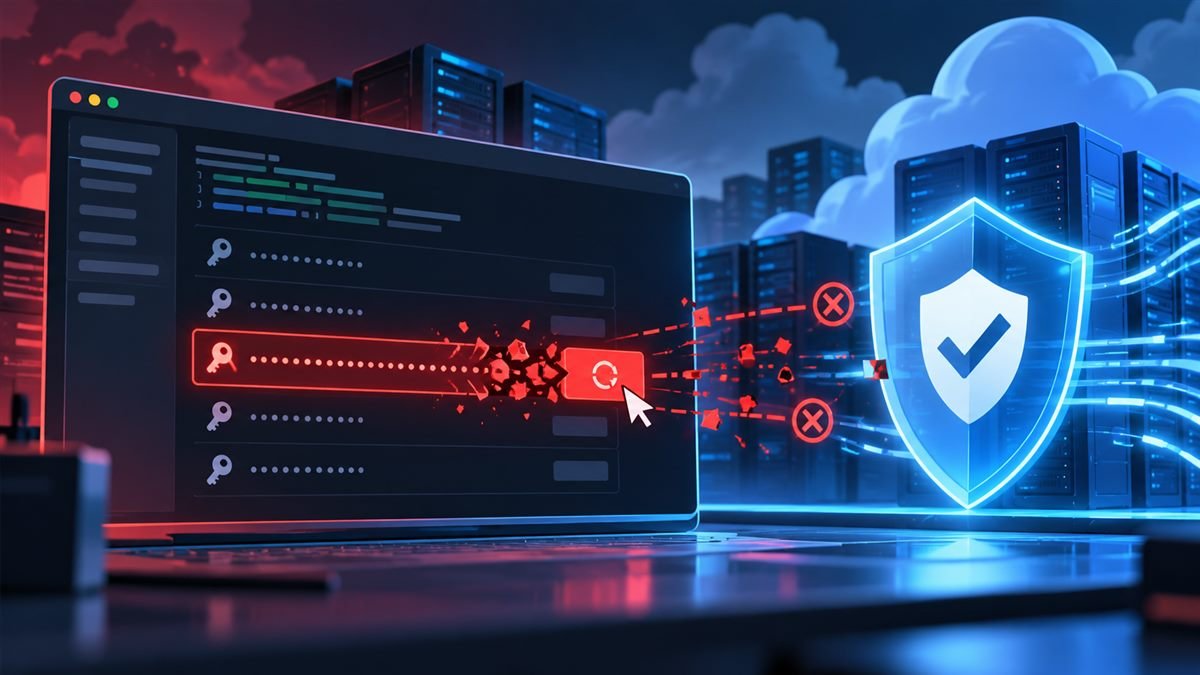
A security incident involving the hosted OpenCode Console has raised a familiar but costly question for AI developers: what happens when an assistant service can use your model-provider credentials? TechCrunch reported that attackers obtained API keys connected to some Console accounts and used them to generate unauthorized charges. The report says the affected group represented about 1.4% of Console users. That figure is specific to the hosted service; OpenCode said its standalone open-source application and command-line tool were not affected.
What is confirmed so far
OpenCode’s response, as described by TechCrunch, included alerts to affected users, provider-side key blocking, and refunds for unauthorized usage. The company had not completed its investigation when the report was published, so the exact entry point, exposure window, and full financial scope were still unsettled. Treating those unknowns as settled would be premature.
The distinction between a hosted console and local software matters. Users may share a brand name while using different components, and a security event in one service does not automatically mean every installation or account is compromised. Anyone who used the hosted Console should rely on direct notices from OpenCode and their AI provider to determine whether their own account was included.
Why provider keys deserve production-level care
An API key can authorize paid model calls without exposing a person’s password. If a key is stolen, an attacker may consume a quota, run up a bill, or use access in ways that appear to come from the account owner. That is why scoped credentials, spending alerts, and usage limits are useful even for experimentation. A key placed in an intermediary service also creates another system that must protect it.
For an affected account, the prudent sequence is to revoke the old key at the provider, create a replacement, update any local integrations, review recent usage, and contact the provider about disputed charges. Do not reuse the exposed key. If the provider already blocked it, still check for other keys or connected accounts that were not part of that action.
What developers should take away
This event is a reminder to map where credentials travel: browser extensions, hosted IDEs, agent platforms, local environment files, and CI systems can all hold tokens. Keep permissions narrow, separate test keys from production keys, and set alerts that catch unusual usage early. Those controls cannot prevent every breach, but they can limit the damage and shorten the time before someone notices.
OpenCode’s investigation may clarify the cause and whether the reported user share changes. Until then, use the confirmed scope carefully and avoid assuming either that every user was affected or that the incident was harmless. For a related look at agent-related risks, read our report on AI agents in live systems, or browse more technology coverage.
Source: TechCrunch reporting on the OpenCode Console incident. This article summarizes that report and separates its confirmed details from the still-open investigation.


Reader Discussions
No comments posted yet. Be the first to start the discussion!
Leave a Reply