
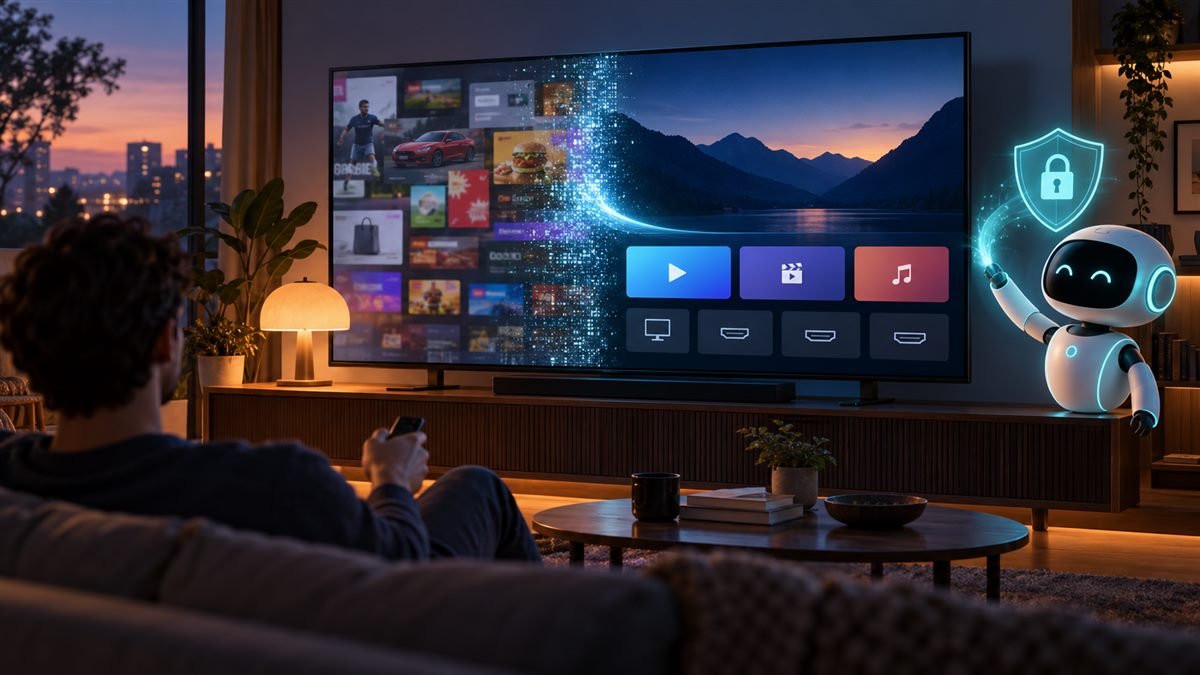
Some smart-TV owners are turning to AI coding tools to simplify their television interfaces, remove sponsored tiles, and reduce unwanted tracking. TechCrunch reports that developers have shared projects such as “dumbtv” and “cleanyourtv,” which use AI agents to help replace or modify launchers and disable preinstalled packages. The interest reflects a trade-off in connected devices: people like app access and recommendations, but may not want a cluttered home screen or viewing data collected by default.
What these projects try to change
Examples described in the report focus on launcher behavior, preinstalled applications, and advertising or tracking features. Some tools guide an AI agent through connecting to a television over a local network and applying changes based on the device model. The underlying work—customizing an Android-based TV—is not new. AI can lower the amount of specialist coding knowledge needed, but the projects still depend on correct device identification and a user who understands the changes being made.
TechCrunch notes that the shared solutions are works in progress and that compatibility varies. Some users reported failed attempts or problems severe enough to leave a television unusable. Developers say certain changes can be reversed, but reversibility is not guaranteed across every model or modification. A device may also need particular system packages for remote controls, updates, streaming certification, or accessibility features.
Privacy and control are part of the appeal
Smart TVs can use automatic content recognition, a technology that identifies what is displayed through screen images, audio, or digital fingerprints. Depending on the manufacturer and settings, this data may support recommendations, measurement, or advertising. A less cluttered launcher can improve daily use, while a reduction in data collection may appeal to privacy-conscious owners. The exact behavior differs by device, region, firmware, and user settings, so a broad claim about every television would be misleading.
Use caution before letting an agent modify a device
A coding assistant can produce commands that look plausible but do not match a particular model. Before applying device changes, owners should verify the model, read the project’s documentation, make a recovery plan, and avoid granting broad network or account access without understanding why it is needed. Prefer reversible settings changes first, and keep a record of disabled packages. If the TV is under warranty or used by other household members, consider the impact before changing system software.
For a related look at AI-generated software distribution, see our coverage of private Android apps built with AI and the Technology category.
Source: TechCrunch’s reporting on AI-assisted smart-TV modifications. Compatibility and outcomes vary by device and project.

Reader Discussions
No comments posted yet. Be the first to start the discussion!
Leave a Reply