
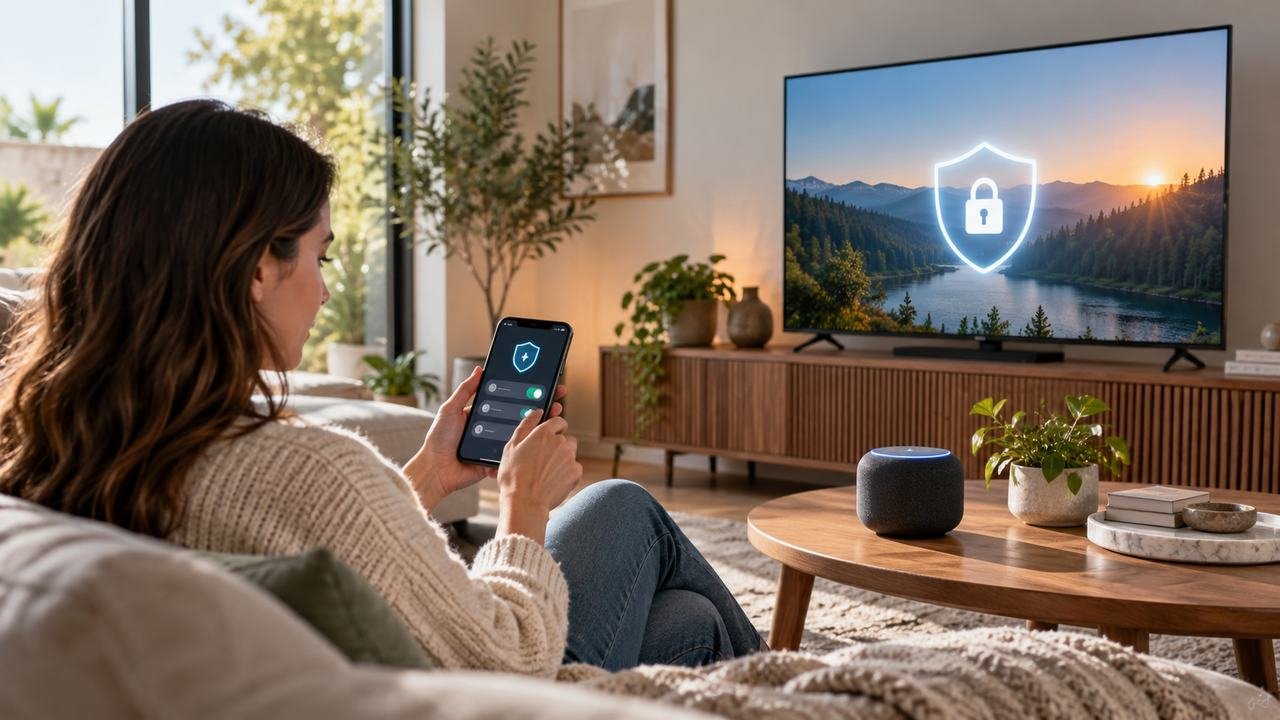
The Growing Tension Between Connected Convenience and Invasive Advertising
In recent years, smart home ecosystems have expanded rapidly, transforming everyday household devices into interconnected hubs of convenience. From smart televisions and connected refrigerators to voice-assisted speakers and automated thermostat units, internet-of-things (IoT) devices promise unprecedented ease of living. However, this convenience often comes with an unforeseen cost: personal privacy. As manufacturers shift toward ad-supported hardware models, consumer electronics are increasingly serving targeted advertisements, collecting telemetry, and monitoring user behavior inside private residences.
Many smart TV manufacturers now leverage Automatic Content Recognition (ACR) technology to record everything displayed on screen, from local broadcasts to streaming services. This pervasive data harvesting allows advertisers to construct detailed profiles of household viewing habits. For users seeking solutions, exploring specialized tools like AI tools for smart TVs and dumbTV conversion to remove ads and tracking has become an essential strategy to block intrusive metrics collection and restore digital autonomy.
Data Security Risks and Ad-Driven Revenue Models
The business strategy behind low-cost connected hardware relies heavily on recurring data monetization. By selling devices at near-cost or subsidized prices, tech vendors offset lower profit margins through continuous advertising inventory and behavioral data brokerage. Unfortunately, when device software prioritizes ad-delivery pipelines over robust security architectures, vulnerabilities inevitably emerge. Consumers are becoming hyper-aware of digital surveillance, especially following tech industry policy shifts such as Apple App Store guidelines banning hidden nudify apps, which highlighted how personal media can be exploited when device permissions are mismanaged.
Security researchers emphasize that connected appliances frequently lack long-term software support, leaving firmware exposed to network intrusion. Unencrypted traffic from smart home hubs can leak IP addresses, routine usage schedules, and connected device inventories to third-party ad networks. In response, privacy advocates recommend consulting regulatory frameworks provided by the Federal Trade Commission Guidance on Privacy and Security to understand basic consumer rights and vendor compliance requirements.
Practical Strategies to Reclaim Household Privacy
To combat intrusive telemetry without sacrificing device functionality, smart home enthusiasts are adopting multi-layered defense techniques:
- Network-Wide Ad Blocking: Installing DNS-level sinks such as Pi-hole or AdGuard Home at the router level blocks outgoing request calls to known tracking and ad-serving servers.
- VLAN Isolation: Segregating smart home IoT hardware into an isolated Virtual Local Area Network prevents connected devices from scanning local laptops, phones, or network-attached storage units.
- Disabling ACR and Analytics: Manually reviewing device settings menus to disable content recognition, personalized recommendations, and voluntary diagnostic reporting.
- Opting for Dumb Modes: Disconnecting smart features altogether and pairing high-quality screens or speakers with privacy-focused external streaming hardware.
Looking Ahead: The Future of Consumer Protection in IoT
As consumer awareness grows, regulatory bodies and standards organizations are introducing stricter IoT cybersecurity label standards and data privacy mandates. Manufacturers that prioritize user consent, offer transparent telemetry controls, and deliver localized processing without forced cloud sync will likely win consumer trust in 2026 and beyond. By taking proactive network control today, smart home users can enjoy the benefits of automation while keeping their personal lives private.



Reader Discussions
No comments posted yet. Be the first to start the discussion!
Leave a Reply