
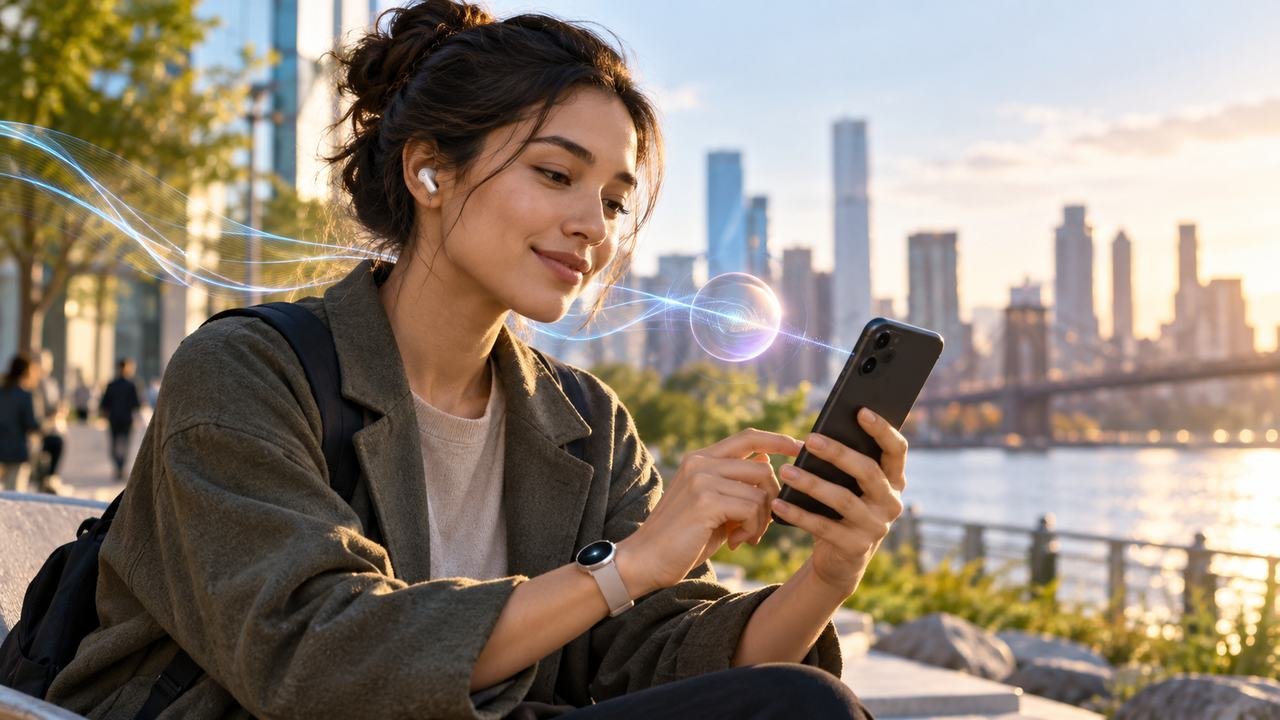
Redefining Human-Computer Interaction Through Voice and AI
In 2026, the landscape of personal computing is undergoing a fundamental shift from screen-centric smartphones toward ambient, voice-first wearable hardware. Powered by low-latency multimodal foundation models, personal AI companions have evolved beyond basic voice assistants into proactive digital confidants capable of managing daily schedules, synthesizing complex information, and offering conversational support. Users are increasingly relying on continuous, hands-free interactions to manage their productivity and personal lives.
The convergence of miniaturized neural processing units (NPUs), directional bone-conduction audio, and array microphones has enabled all-day battery life for compact wearables like smart pins, pendant devices, and augmented eyeglasses. These hardware improvements allow personal AI models to maintain contextual awareness across ambient environments, learning individual user preferences, communication styles, and daily routines over time.
Ecosystem Expansion and Market Validation
The rapid consumer adoption of ambient intelligence has catalyzed significant venture capital investment and executive launches across the technology sector. High-profile product announcements, such as the Wabi AI personal assistant Replika founder launch, demonstrate how conversational systems are prioritizing emotional intelligence alongside task execution. Investors and developers are betting heavily on localized digital assistants that integrate deeply into personal workflows.
Industry confidence is further reflected in substantial capital raises across startup ecosystems. As highlighted by the Tolan AI companion $30M funding round, venture funds are backing specialized personal AI hardware and software architectures that promise persistent memory, hyper-personalized interaction models, and enhanced user engagement metrics.
Key Drivers Behind Voice-First Wearable Adoption
- Ambient Multimodal Processing: Real-time processing of ambient audio, visual cues, and spatial context without requiring explicit user prompts.
- On-Device Privacy and Memory: Encrypted local memory architectures that protect personal conversation history while maintaining cross-device continuity.
- Proactive Task Delegation: AI companions autonomously scheduling appointments, triaging messaging notifications, and conducting research in the background.
- Sensory Hardware Innovations: Ultra-lightweight form factors including smart rings, audio pendants, and low-power smart glasses with all-day operation.
Privacy, Ethics, and Risk Management Frameworks
As personal AI companions gain continuous access to private audio feeds, personal calendars, and ambient environments, data privacy and algorithmic safety have become primary societal concerns. Unrestricted data collection poses serious security risks regarding identity spoofing, data leaks, and psychological dependency. To mitigate these risks, hardware manufacturers and software developers are aligning product designs with established guidelines such as the NIST AI Risk Management Framework. Implementing robust encryption standards, clear consent mechanisms, and transparent data retention policies is essential for sustaining long-term consumer trust.
Future Outlook: The Shift to Ambient Intelligence
Looking forward, the transition toward voice-first wearable devices and person
Moreover, developers are building sophisticated intent-recognition engines that allow wearables to interact with smart home hardware, enterprise software, and cloud databases automatically. As voice-first AI companions continue to evolve in 2026, their ability to execute complex multi-step workflows without user intervention will mark a critical milestone in natural user interfaces.
al AI companions marks the beginning of an era where computing recedes quietly into the background. As voice synthesis becomes indistinguishable from human conversation and context-aware models achieve higher reasoning precision, personal AI companions will redefine personal productivity, accessibility, and digital wellness throughout 2026 and beyond.

Reader Discussions
No comments posted yet. Be the first to start the discussion!
Leave a Reply