
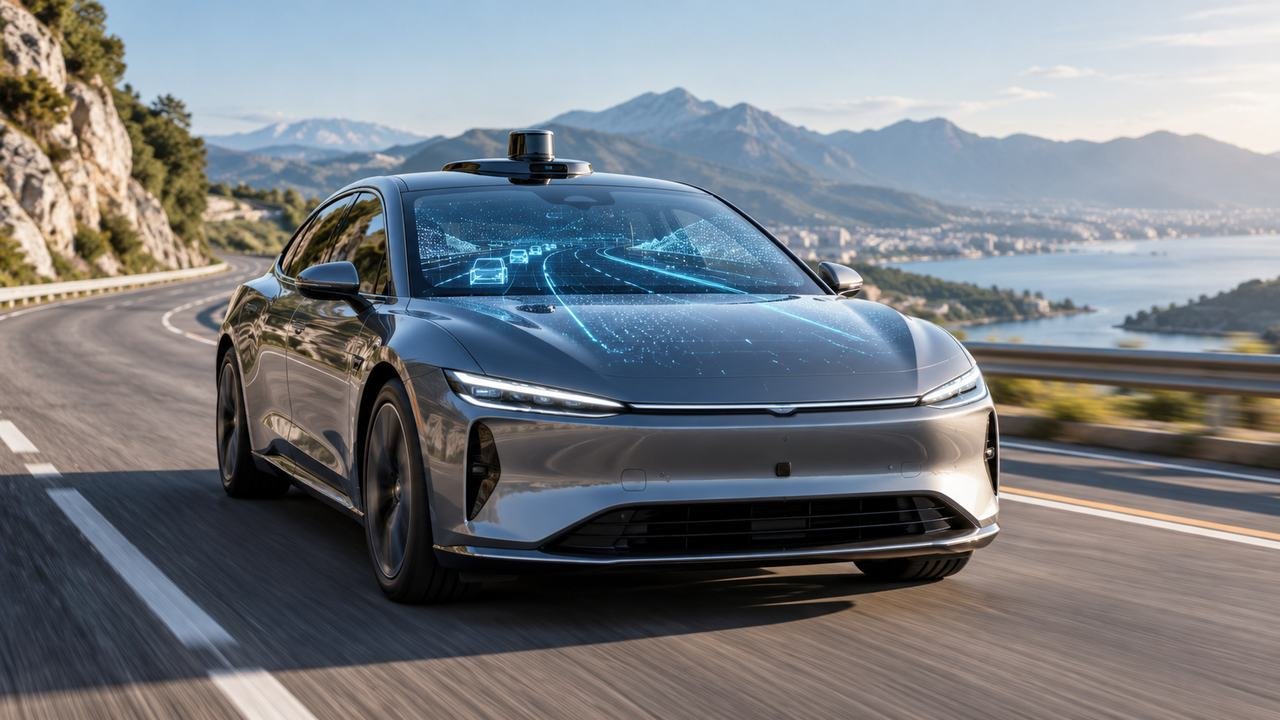
The Automotive Shift to Software-Defined Architecture
In 2026, the automotive industry has reached a decisive tipping point where vehicles are defined more by their software capabilities than their mechanical horsepower. Software-Defined Vehicles (SDVs) feature centralized electronic control units (ECUs) powered by high-performance domain compute platforms, replacing fragmented legacy wiring harnesses. This structural shift allows auto manufacturers to continuously upgrade driving assistance features, infotainment ecosystems, and powertrain performance over-the-air throughout the vehicle lifecycle.
For everyday drivers, this transition converts cars into dynamic digital platforms that evolve over time. Subscription-based feature delivery, predictive maintenance diagnostics, and personalized cabin experiences are now standard offerings across electric and hybrid vehicle lineups, establishing software as the primary competitive differentiator in modern mobility.
Autonomous Driving Breakthroughs and Hardware Integration
The progression of commercial driver-assist technologies from hands-on assistance toward conditional hands-free driving is re-shaping consumer mobility. Advanced sensor suites combining solid-state LiDAR, high-definition radar, and optical camera arrays now feed real-time perception data into localized neural networks. Innovations in modular automotive hardware closely align with broader tech trends seen in Rivian autonomy vehicle design future strategies, where custom hardware integration unlocks superior energy efficiency and autonomous driving stability.
Simultaneously, the demand for on-device compute inside modern cockpits parallels developments across personal computing ecosystems. As explored in the shift toward next generation local AI PCs and on-device intelligence, localized automotive AI processors enable real-time driver monitoring, voice command parsing, and instant emergency braking decisions without relying on cloud latency.
Key Vehicle Technologies Transforming the Consumer Experience
- Level 3 Hands-Free Navigation: Certified conditional autonomy enabling hands-free highway driving in designated geo-fenced corridors.
- Over-The-Air Updates: Continuous feature enhancement and security patching delivered directly to parked vehicles overnight.
- Centralized Zonal E Architecture: Consolidating dozens of microcontrollers into high-performance compute zones to reduce weight and wiring complexity.
- Predictive Fleet Telematics: Machine learning algorithms forecasting component wear and scheduling preventative servicing automatically.
Safety Frameworks and Regulatory Standards
As autonomous driving algorithms assume greater operational control from human drivers, regulatory oversight and functional safety standards have expanded significantly. Establishing rigorous safety benchmarks is vital to ensure public safety, prevent systemic sensor failures, and clarify legal liability across autonomous transit networks. Federal guidelines established by federal regulatory bodies such as the NHTSA Automated Vehicles Safety guidelines serve as the foundation for crash testing, cyber resilience, and operational design domain certifications across automated transportation systems.
Looking Forward: The Road Ahead in 2026
Software-defined mobility is fundamentally transforming how consumers perceive vehicle ownership and transportation safety. As Level 3 autonomous driving becomes widely available on consumer models and software update infrastructure matures, drivers will experience safer highways, reduced operational costs, and seamless digital integration. Embracing software-first vehicle architectures will remain essential for automotive manufacturers striving to lead the future of transportation.
Moreover, auto makers are collaborating with cloud providers to build robust edge-computing networks that analyze fleet data in real time. This continuous feedback loop accelerates software optimization and ensures vehicles remain secure against evolving cyber threats throughout their operational lifespan.



Reader Discussions
No comments posted yet. Be the first to start the discussion!
Leave a Reply