
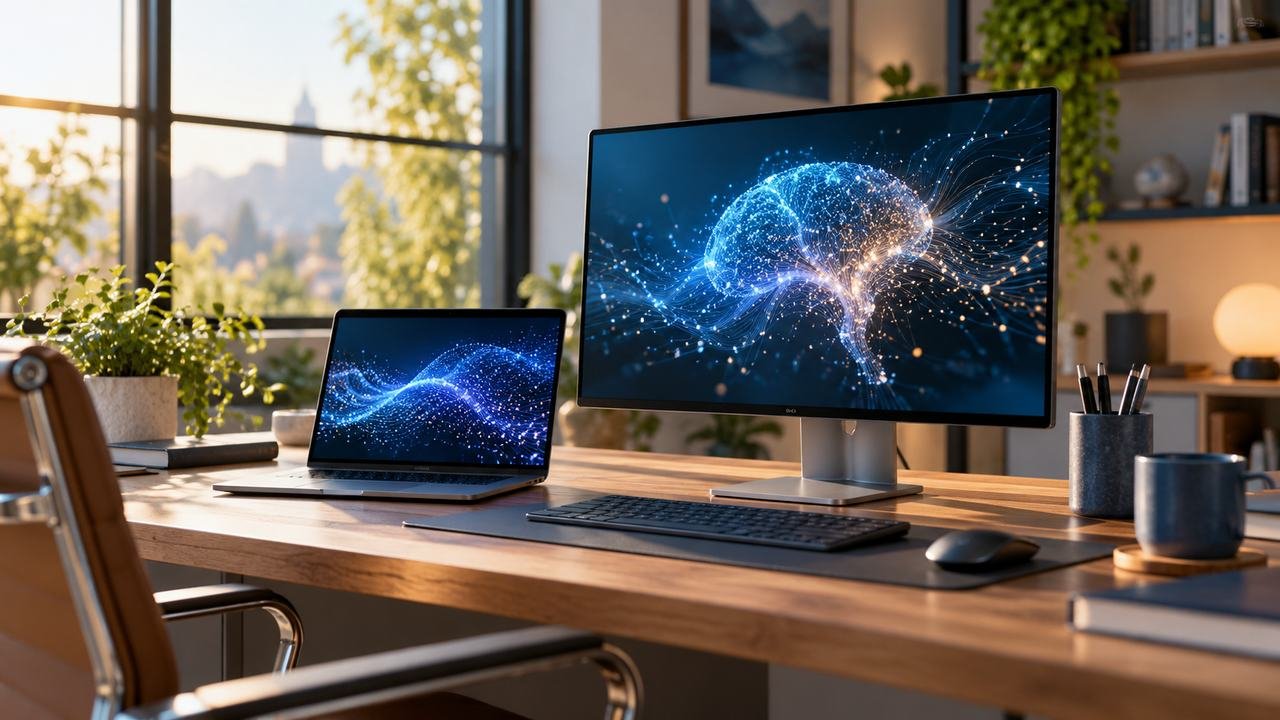
The Rise of Neural Processing Units in Consumer Hardware
The PC landscape in 2026 is witnessing a monumental paradigm shift as local artificial intelligence capabilities transition from high-end workstation novelties into standard personal computing architecture. Modern personal computers are increasingly equipped with dedicated Neural Processing Units (NPUs) engineered specifically to accelerate deep learning matrix math locally. By offloading complex inference tasks from cloud data centers directly onto edge silicon, local AI PCs offer unprecedented responsiveness, enhanced data privacy, offline operational capability, and significantly reduced recurring subscription costs for enterprise users and everyday consumers alike.
This rapid shift toward local computing architecture is heavily driven by optimized open-source software and localized foundation models. As highlighted in our recent reporting on hardware and software integration, tools such as NVIDIA Nemotron open models engineered for enterprise PCs enable powerful artificial intelligence capabilities directly on desktop devices without sacrificing performance or exposing confidential proprietary data to cloud networks.
Key Advantages Driving Mainstream Local AI Adoption
The consumer and enterprise migration toward on-device intelligence is powered by four fundamental technical and operational advantages:
- Enhanced Privacy and Zero Data Exposure: Processing sensitive corporate documents, personal correspondence, and financial telemetry locally ensures that confidential data never leaves the user's physical machine or internal local network.
- Zero-Latency Inference and Real-Time Interaction: Local NPU execution eliminates network round-trip latency, enabling instantaneous voice synthesis, real-time video background removal, and fluid inline coding assistance.
- Uninterrupted Offline Functionality: On-device AI applications operate seamlessly without requiring an active internet connection, ensuring continuous productivity during transit or remote field operations.
- Reduced Bandwidth and Cloud Server Overhead: Offloading routine natural language processing and image editing workloads to edge hardware drastically decreases operational bandwidth costs for enterprise IT environments.
Standards, On-Device Safety, and Edge Computing Architecture
As local silicon capabilities expand, international standards bodies are establishing unified web and hardware protocols to optimize local execution across web browsers and native applications. According to documentation published by the World Wide Web Consortium (W3C), emerging standards like WebNN and WebGPU allow web applications to directly leverage local NPU hardware safely within browser environments without needing specialized driver installations.
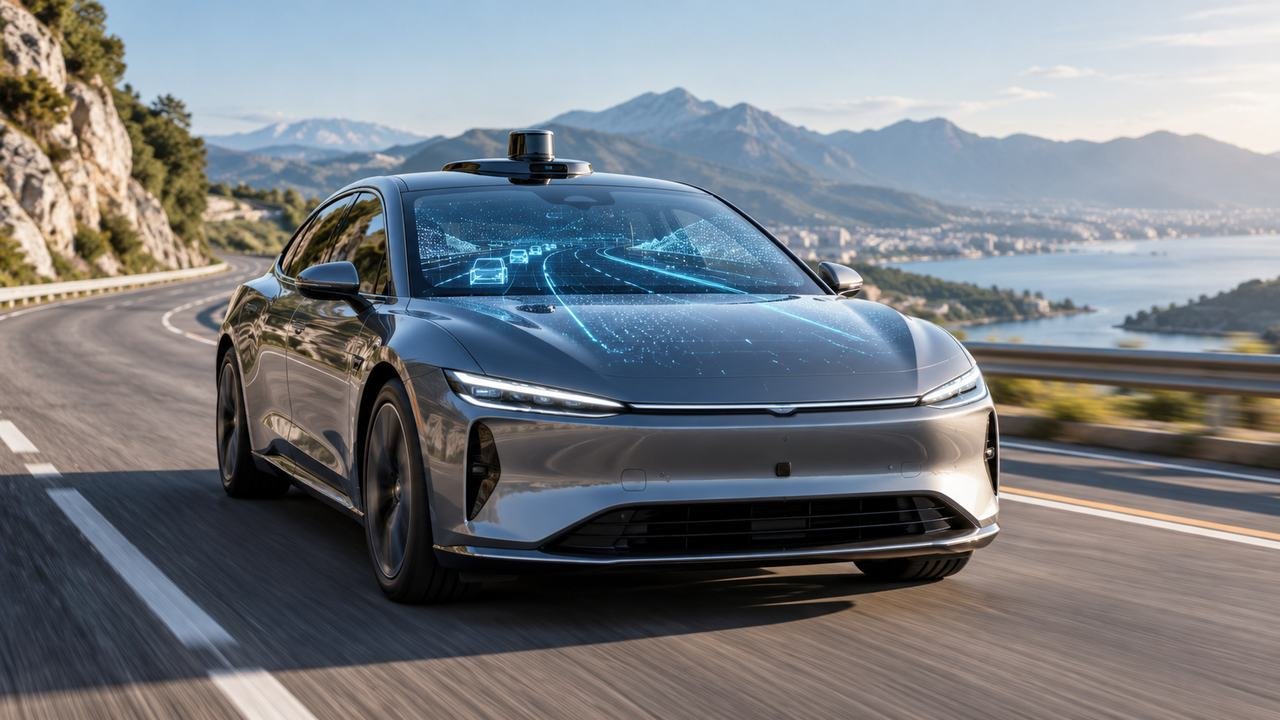
Furthermore, edge computing principles developed in high-performance local AI computing are expanding into real-time autonomous systems across automotive and industrial robotics sectors. For instance, our analysis of autonomous vehicle hardware design in Rivian CEO discussing how autonomy will reshape vehicle design demonstrates how edge computing architectures are fundamentally redefining consumer mobility and embedded hardware systems.
Overcoming On-Device Memory and Heat Constraints
Despite rapid technological progress, local AI execution presents unique engineering challenges, particularly regarding high-bandwidth unified memory architecture and thermal management in ultra-thin laptops. Semiconductor manufacturers are addressing these hardware bottlenecks by integrating high-density LPDDR5X memory directly onto processor dies alongside dynamic thermal throttling software. As memory bandwidth increases and model quantization techniques improve, future personal computers will run multi-billion parameter multimodal models smoothly while preserving battery endurance.
Conclusion: The Era of Personal On-Device Intelligence
The integration of Neural Processing Units into everyday personal computers marks the beginning of a new era in personal computing. On-device intelligence empowers users with immediate, private, and powerful AI capabilities without reliance on external cloud servers. As model compression algorithms mature and edge silicon continues to advance throughout 2026, local AI PCs will solidify their position as the default standard for computing infrastructure worldwide.

Reader Discussions
No comments posted yet. Be the first to start the discussion!
Leave a Reply